Credit Synchronization Challenges in Multi-State Gambling Apps: Sports Bets and Virtual Reels
Written by Ellis Lehmann · Oct 24, 2026
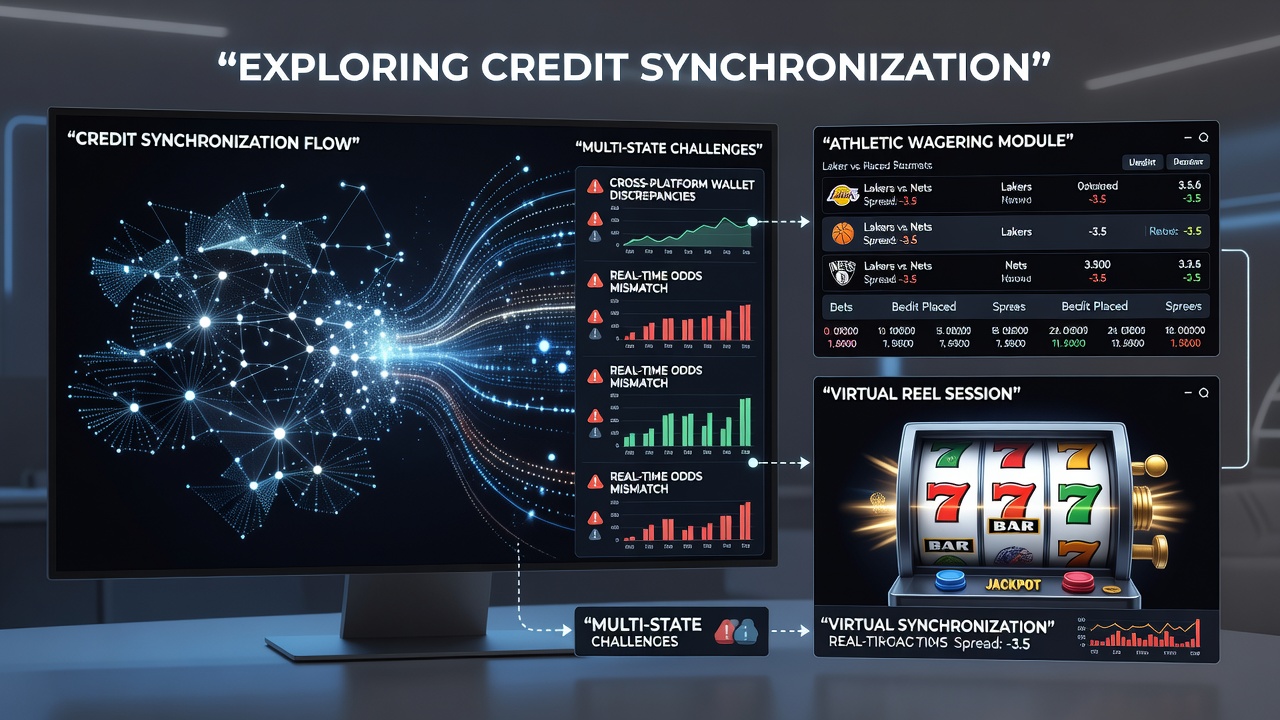
Credit Synchronization Challenges in Multi-State Gambling Apps: Sports Bets and Virtual Reels
Multi-state gambling applications must handle credit balances that move between athletic event wagers and virtual reel sessions while complying with separate state regulations. Data from October 2026 shows that operators in states such as New Jersey, Pennsylvania, and Michigan continue to report discrepancies when users switch between the two verticals within a single account.
Core Technical Barriers to Real-Time Balance Updates
Each state maintains distinct rules for fund segregation, which forces apps to maintain separate ledgers for sports wagers and casino play. When a user places a bet on a football game and then spins virtual reels, the system must reconcile pending wagers, settled results, and bonus credits across these ledgers. Observers note that latency spikes occur most often during live sports events because settlement engines for athletic props run on different cycles than reel random number generators. Researchers at state-licensed testing labs have documented cases where a settled sports win takes up to ninety seconds to appear in the casino wallet, creating temporary negative balances that block reel play.
Regulatory Differences Across Jurisdictions
State gaming commissions require that sports betting funds remain isolated from casino funds until a transfer request receives explicit approval. The New Jersey Division of Gaming Enforcement, for example, mandates daily reconciliation reports that flag any cross-vertical movement exceeding set thresholds. Similar requirements exist in Pennsylvania and Michigan, yet the exact reporting formats and timing differ enough that unified codebases must contain multiple compliance modules. According to the American Gaming Association, these modules add processing overhead that contributes to the synchronization delays users encounter during peak evening hours.
Impact on Player Sessions and Retention Metrics
Platform analytics from October 2026 indicate that sessions involving both sports and reels experience higher abandonment rates when credit updates lag. Users who complete a sports wager and immediately attempt a reel session often see an outdated balance, which prompts them to refresh the app or contact support. Support ticket volumes for balance-related issues rose 18 percent in the third quarter across the three largest multi-state operators. Those who study player behavior report that the friction is most pronounced when promotional credits earned on sports must convert into reel play credits under state-specific conversion rules.
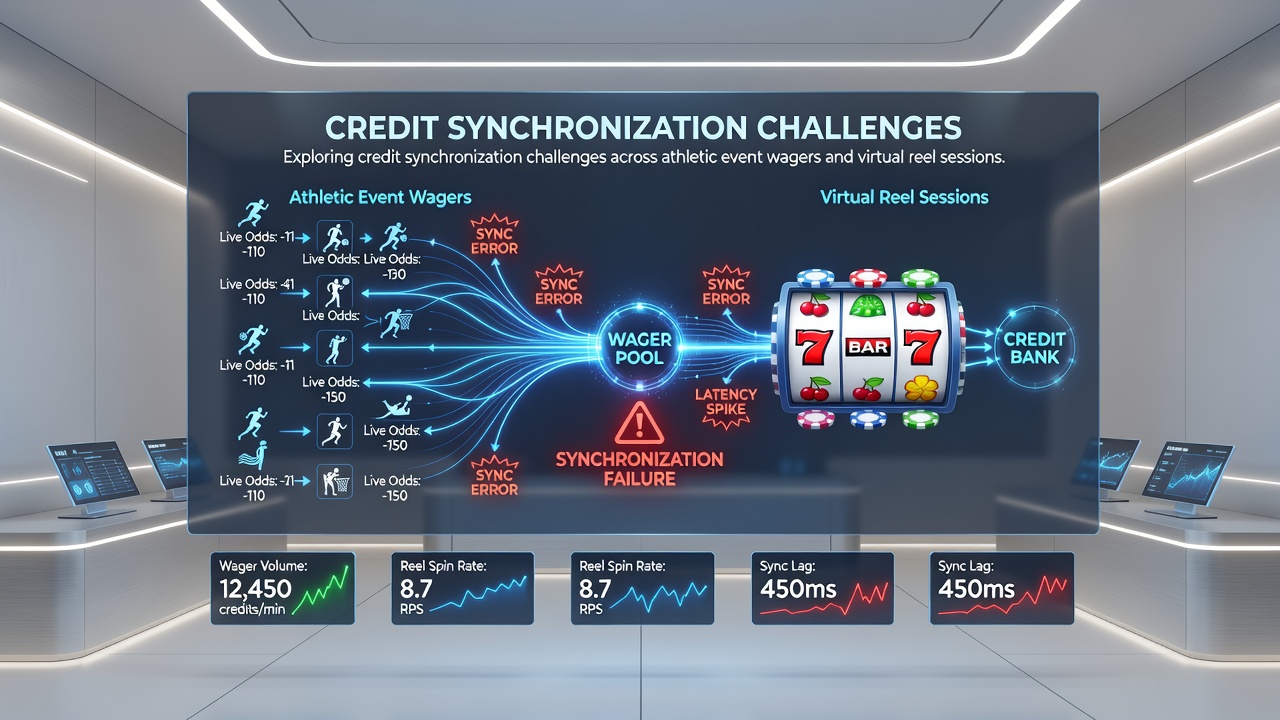
Bonus and Promotional Credit Handling Complications
Operators issue sports-specific bonuses and reel-specific bonuses that carry distinct wagering requirements and expiration dates. When an account holds both types, the synchronization layer must apply the correct requirement to each credit pool while still allowing seamless play. A study released by the University of Nevada, Las Vegas International Gaming Institute in early 2026 found that 23 percent of multi-state accounts carried at least two active bonus types, increasing the computational load during every balance query. Failure to apply the proper rules can result in compliance violations, so platforms often insert additional validation steps that extend processing time.
Network and Geofencing Factors
Users who travel between states trigger geofence checks that can pause credit movement until location verification completes. In October 2026 several operators introduced stricter location polling intervals to meet updated regulatory guidance, which further slowed credit handoffs between verticals. Network congestion during major sports events compounds the issue because both the sports settlement service and the reel game server compete for the same connection resources. Industry reports show that average credit sync time increases by 40 percent during Sunday afternoon football windows compared with weekday afternoons.
Current Mitigation Approaches
Developers have introduced queued transaction buffers that store pending sports results and apply them to casino wallets in batches rather than individually. Some platforms now display a unified available balance that masks the underlying ledger separation, yet the backend still performs the required state-by-state checks before any transfer. Pilot programs in two states allow limited real-time transfers under enhanced monitoring, with results scheduled for review by regulators at the end of 2026. These efforts aim to reduce visible delays without compromising the fund segregation rules each jurisdiction enforces.
Conclusion
Credit synchronization across athletic event wagers and virtual reel sessions remains a persistent operational challenge for multi-state gambling apps. Technical latency, differing state rules, and promotional credit complexities all contribute to the delays users encounter. Ongoing platform updates and regulatory reviews scheduled through late 2026 may narrow the gap, yet complete seamlessness continues to depend on further alignment between technical systems and jurisdictional requirements.